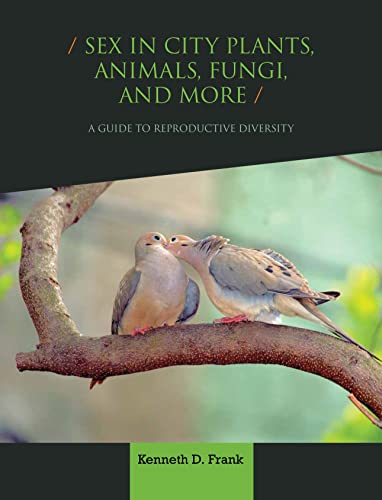
English | 2022 | ISBN: 0231206062 | 206 pages | True PDF | 153.35 MB
Cities pose formidable obstacles to nonhuman life. Vast expanses of asphalt and concrete are inhospitable to plants and animals; traffic noise and artificial light disturb natural rhythms; sewage and pollutants imperil existence. Yet cities teem with life: In rowhouse neighborhoods, tiny flowers bloom from cracks in the sidewalk. White clover covers lawns, its seeds dispersed by shoes and birds. Moths flutter and spiders weave their webs near electric lights. Sparrows and squirrels feast on the scraps people leave behind. Pairs of red-tailed hawks nest on window ledges. How do wild plants and animals in urban areas find mates? How do they navigate the patchwork of habitats to reproduce while avoiding inbreeding? In what ways do built environments enable or inhibit mating?


